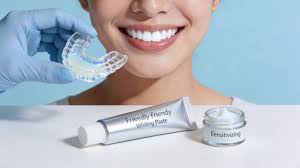
When we think about a beautiful smile, focusing on appearance is easy. However, the importance of routine oral care stretches far beyond looks—it’s a vital aspect of our overall health and wellness. Dental hygiene is not only about keeping your teeth white or breath fresh; it’s fundamentally linked to your body’s wellbeing, reducing your risk for serious health complications. Establishing simple and effective dental habits can transform your teeth and your quality of life. Parents and individuals alike often ask, why is dental hygiene important? The answer is clear: consistent dental hygiene supports a healthier mouth, helps prevent serious illnesses, saves money on dental treatments, and ultimately contributes to overall wellness by protecting organs and boosting self-esteem.
Daily oral care routines are not complicated but require a little dedication and awareness. Simple actions like brushing, flossing, and healthy dietary choices offer powerful benefits for your teeth, gums, and body. The main challenge is consistency, but making these routines a regular part of your day pays dividends for years. Incorporating these habits early and maintaining them across every life stage is a proactive step toward lifelong oral wellness. Even small improvements, such as flossing more regularly or switching out sugary drinks for water, can significantly benefit over time.
Brushing and Flossing: The Dynamic Duo
The cornerstone of good oral hygiene is the combination of thorough brushing and flossing. Dentists worldwide agree that keeping up with the “2-1-2 Rule”—brushing your teeth twice daily, flossing once daily, and scheduling professional check-ups twice a year—is one of the easiest and most effective ways to preserve oral health. Adhering to this regimen dramatically reduces the likelihood of developing cavities and gum disease, the two most prevalent dental issues globally. Dental plaque, a sticky film of bacteria, builds up continuously; brushing and flossing break this cycle, preventing inflammation that can lead to both dental and systemic disease. Both pediatric and adult dental experts highlight the importance of using fluoride toothpaste and replacing your toothbrush every three to four months to ensure maximum effectiveness. Investing a few minutes twice a day protects your smile and saves you from much bigger problems in the future.
Balanced Diet: Fuel for Your Teeth
Your teeth need the right fuel for long-term health. Foods loaded with vitamins and minerals, especially calcium (for strong enamel), phosphorus, and vitamin D, are vital for creating resilient teeth and bones. Incorporating dairy, leafy greens, nuts, seeds, and lean proteins into your meals will reinforce the structure of your teeth and help counteract acid erosion from foods and drinks. For those looking to blend dental and overall health, the Centers for Disease Control and Prevention research shows that a diet focused on whole grains, fruits, and vegetables promotes oral and cardiovascular wellness. Reducing starchy and sugary foods lowers the risk of cavities, and chewing crunchy fruits and vegetables can help clean your teeth and stimulate healthy gums. Meal patterns also matter: frequent snacking gives bacteria more chances to produce acid, so sticking to balanced meals is good for your teeth and body.
Hydration: Water as a Natural Cleanser
Water is not just good for your body, but it also plays a crucial role in oral health. Drinking plenty of water washes away leftover food and reduces the bacteria responsible for cavities and gum disease. Water supports saliva production, your mouth’s natural defense against decay, neutralizing acids, and bringing essential minerals to your teeth. It can also reduce dry mouth, which increases tooth decay risk by limiting saliva production. Swapping out sugary or acidic drinks for pure water is a powerful, protective habit at any age. Carrying a water bottle, especially after meals or snacks, is an easy way to make this habit second nature. Even small increases in water intake can support fresher breath, a cleaner mouth, and a lower risk of cavities.
Regular Dental Visits: Prevention is Key
Being proactive with dental checkups enables early detection and treatment, stopping problems before they escalate. Regular visits can catch issues like cavities, gum inflammation, or oral cancer in the earliest, most treatable stages. Dentists and hygienists can spot developing cavities, gum issues, or other concerns that might not yet be visible or painful. Professional cleanings remove hardened plaque and are essential even for the most diligent brushers and flossers. These visits are not just preventative but educational, as your dental care team can tailor advice to your specific needs and lifestyle. Building a relationship with your dentist means you have an expert partner helping you maintain your oral and overall health. In the long run, regular visits save time, pain, and money by preventing emergencies and costly procedures.
Limiting Sugar Intake: Sweetness in Moderation
Too much sugar in the diet is one of the chief culprits behind tooth decay. Sugar fuels the bacteria in your mouth, releasing acids that weaken and erode enamel. Sugar is especially tricky because it’s hidden in countless processed foods—everything from sauces to granola bars. Being label-savvy and moderating your intake is a simple strategy with outsized benefits for your teeth and total health. Many nutritionists recommend keeping added sugars to a minimum and replacing sweet treats with whole fruits. Teaching children about sugar’s effects from a young age empowers them to make better choices, leading to lifelong benefits.
Oral Health and Heart Health: An Intricate Connection
Oral health doesn’t operate in a vacuum. Scientific studies have increasingly linked gum disease with a higher risk of heart disease and stroke. When gums become infected or inflamed, bacteria can enter the bloodstream, causing inflammation and potentially affecting blood vessels and cardiac tissues. Chronic gum inflammation is now understood as a risk factor for arterial disease, making regular oral care and dental checkups fundamental to maintaining a healthy heart, not just a healthy smile. Adults who care for their gums have one more important way to reduce their risk for chronic disease, ultimately supporting longevity and overall wellness.
Oral Health in Children: Building Foundations Early
Developing consistent oral health routines during childhood is key to lifelong benefits. Early teaching of proper brushing and flossing, as well as making healthy food and drink choices, sets a strong foundation for oral and general health. Parents play a critical role in modeling good dental habits and should establish routines from the appearance of the very first tooth. Regular pediatric dental visits and early sealant applications can significantly reduce cavities and complications in young children, providing them with a head start for the future. Instilling these habits early makes children less likely to fear the dentist and more likely to carry positive routines into adulthood.
Final Thoughts
Daily oral health routines are simple yet powerful steps toward enjoying a vibrant smile and a healthier life. Committing to good dental habits prevents toothaches and expensive procedures, boosts confidence, and has rippling benefits for your entire body. Integrate these habits into your daily routine—regardless of your age—and pave the way for improved overall health, confidence, and well-being. Prioritizing your oral health is investing in every part of your wellness journey.