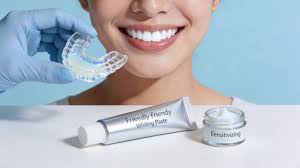
You want a brighter, more confident smile. You also want results that last. Prevention first gives you both. When you protect your teeth early, every cosmetic step works better. Routine checkups and cleanings catch small problems before they grow. Early care keeps enamel strong, gums steady, and bite aligned. Then, whitening, bonding, or veneers can look natural and stay stable. Without that base, even the best cosmetic work can chip, stain, or fail. Many patients search for quick fixes and feel crushed when the glow fades. You deserve more than that. Prevention first respects your time, your money, and your comfort. It also lowers the chance of pain later. If you want healthy beauty, not just a short boost, this approach matters. This is how family and cosmetic dentistry in Salinas protects your smile and improves your results.
1. Healthy teeth respond better to whitening
Whitening works best on clean, strong teeth. Stain sits on the surface and in tiny pores. Plaque and tartar block whitening gel and pull color back fast.
When you keep up with prevention, your dentist can:
- Remove plaque and tartar before whitening
- Check for decay, cracks, or leaking fillings
- Control gum swelling that can cause uneven color
The Centers for Disease Control and Prevention shows that regular cleanings cut tooth decay and gum disease. That care helps whitening gel reach the enamel surface. The shade change looks more even. It also lasts longer, because there is less plaque to trap new stains.
Without prevention, whitening can sting, miss spots, or expose hidden decay. Then you may need fillings or root canals before you even enjoy the color change. Prevention first keeps whitening simple and safe.
2. Strong enamel supports bonding and veneers
Bonding and veneers depend on a solid base. The material glues to your enamel. If that enamel is weak, worn, or decayed, the glue fails. The result can be chips, gaps, or loose edges.
Preventive care protects enamel through three simple habits:
- Fluoride to strengthen the outer layer
- Sealants for deep grooves in back teeth
- Diet changes that lower sugar and acid
The National Institute of Dental and Craniofacial Research explains that fluoride helps enamel repair early damage. This keeps the surface firm for longer. When it is time for bonding or veneers, your dentist can remove less tooth and still get a tight grip.
Teeth with strong enamel give you:
- Fewer chips along veneer edges
- Less staining at bonding lines
- Lower risk of sensitivity after treatment
Weak enamel forces more drilling and thicker veneers. That raises cost and risk. Prevention first keeps your natural tooth strong, so cosmetic work can stay thin, natural, and stable.
3. Healthy gums frame your smile
Your gums frame every tooth. If they bleed, swell, or pull back, no cosmetic work will look right. Red or uneven gums draw the eye more than white teeth.
Prevention keeps gums firm and even through:
- Daily brushing and flossing
- Regular cleanings to remove tartar at the gumline
- Early treatment of gum infection
Healthy gums give three clear cosmetic gains:
- Smoother gumline that matches both sides of your smile
- Less chance of “black triangles” between teeth
- Stable support so teeth do not drift or flare
Gum disease can cause bone loss. Then the teeth move and loosen. Veneers and crowns no longer line up. You may see gaps or shadows at the edges.
Prevention first keeps the foundation steady. Then your dentist can plan cosmetic changes with confidence. The result looks natural when you talk, laugh, or bite.
4. Prevention lowers cost and repeat work
Cosmetic care is a choice. You should not have to pay for the same work twice. Prevention first lowers surprise costs and repeat visits.
Here is a simple comparison.
| Approach | Short term | After 5 years | Common problems
|
|---|---|---|---|
| Prevention first, then cosmetic care | Checkups, cleanings, small repairs before whitening or veneers | Fewer replacements. Less sensitivity. Better color match over time. | Minor polish or touch up |
| Cosmetic care without prevention | Fast whitening or veneers on untreated teeth | More chips, stains, and decay under work. More replacements. | Root canals, extractions, gum treatment, full redo |
When you skip prevention, small problems hide under cosmetic work. A tiny cavity under a veneer will grow. Then the veneer must come off. You pay for the new treatment and may lose more teeth.
With prevention first, your dentist fixes small issues before they spread. You spend on care that holds steady. You also spend less time in the chair. That means more time with family and less time worrying about your smile.
How to put “prevention first” into your daily life
You do not need big changes. You need steady ones. Focus on three steps.
- Daily care. Brush two times a day with fluoride toothpaste. Floss once a day.
- Regular visits. See your dentist for exams and cleanings as often as advised.
- Smart choices. Limit sugary drinks and snacks. Drink water. Do not smoke.
Before any cosmetic plan, ask your dentist three questions.
- Are my gums healthy enough for this treatment
- Do any teeth need repair before whitening or veneers
- What can I do at home to protect the results
Prevention first is not a delay. It is the shortest path to a strong, lasting smile. You protect what you have. Then every cosmetic step sits on a clean, steady base. That is how you get results that look real and stay with you.