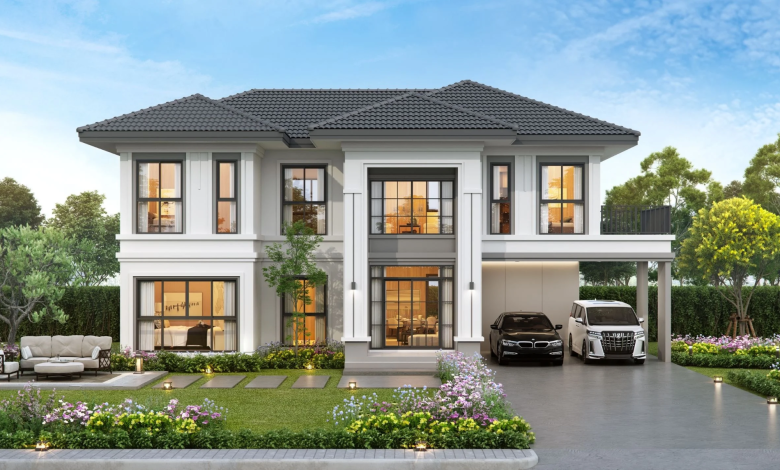
When people imagine their future home, they often picture the finished result first. They think about spacious interiors, elegant materials, natural light, and the feeling of walking into a place that reflects their personality and lifestyle. While those elements certainly matter, the true success of a home is rarely defined by appearance alone. What makes a home genuinely exceptional is the process behind it — the planning, communication, craftsmanship, and consistency that shape the result long before the final handover.
A beautiful house can still become a frustrating project if the process is poorly managed. Delays, unclear budgets, construction errors, and design compromises can quickly undermine even the most promising concept. That is why more homeowners today are paying closer attention not only to design quality, but also to how a builder works from beginning to end. They want a partner who can bring clarity to a complex journey and translate ideas into something practical, lasting, and well executed.
This is especially true in custom residential projects, where every decision carries more weight. A custom home is not a standard product. It is a personal investment shaped by the owner’s routines, priorities, taste, and long-term plans. The layout needs to suit daily life. The materials need to match both style and performance. The technical systems need to support comfort and reliability. Most importantly, the entire experience needs to feel coordinated rather than chaotic.
That level of coordination begins with listening. Before any plans are drawn or specifications are finalized, a strong home builder takes the time to understand how the client wants to live. Some families prioritize open common areas where people can gather easily. Others want defined private spaces, better storage, natural ventilation, or room for future changes as children grow or lifestyle needs shift. When these realities are understood early, the home becomes more than visually impressive — it becomes genuinely livable.
This is one reason companies like Trendy Home stand out in a competitive market. Rather than treating design and construction as separate conversations, the process works best when both are connected from the start. A home should not only look good in a presentation or floor plan. It should also be realistic to build, practical to maintain, and comfortable to live in for years to come. The strongest results usually come from a builder who can balance design ambition with real-world execution.
That balance matters because many residential projects lose momentum in the transition from concept to construction. A layout may look elegant on paper, but site conditions, material choices, engineering needs, and budget limitations can all affect the final outcome. Without proper coordination, the original idea may gradually weaken as compromises accumulate. This is why homeowners often look for an experienced team for home construction when they want the finished home to remain aligned with the vision they approved at the beginning.
The right team helps bridge that gap. Good builders think beyond the drawing stage. They consider workflow, sequencing, structural feasibility, material performance, and the many small decisions that influence the final quality of a home. Their role is not just to build, but to protect the integrity of the concept while making it work in reality. This ability to connect vision with execution is one of the clearest signs of a well-managed residential project.
Another factor that distinguishes a strong home-building process is transparency. Homeowners should not feel like they are guessing their way through one of the largest investments of their lives. Clear communication about budgets, schedules, milestones, and decisions can significantly improve the experience. When updates are consistent and expectations are realistic, the project becomes easier to trust.
This kind of trust matters more than many people expect. Building a home is not just a financial process — it is also an emotional one. Families are planning for the future. They are imagining daily life in the space long before construction is complete. Uncertainty can quickly become stressful if there is no clear structure around the project. On the other hand, when communication is organized and professional, homeowners are more likely to feel involved without feeling overwhelmed.
Quality control is another essential part of the equation. A well-built home does not happen by accident, and it should never depend solely on end-stage corrections. The best projects are shaped by consistent oversight at every stage, from structure and systems to finishes and final detailing. When problems are identified early, they are easier to solve and less likely to affect the overall timeline or budget.
This attention to detail is what turns a house into something more lasting. Homeowners may first notice the beauty of a completed space, but over time they also notice the quality behind it — how smoothly doors close, how materials age, how lighting feels in different rooms, how comfortable the layout is on an ordinary day. These details are often invisible in the beginning, yet they define the long-term experience of living in the home.
A well-designed home should also support change over time. Families grow, routines evolve, and needs shift. A thoughtful construction process considers not only present-day goals, but also how the home may need to function years later. This long-view thinking often adds more value than purely decorative upgrades, because it helps the home remain relevant, efficient, and comfortable over the long term.
In the end, exceptional homes are rarely the result of design alone. They are created through a process that respects both vision and execution. They come from teams that understand how to listen, how to plan, how to communicate, and how to build with consistency. For homeowners who want a home that feels personal, functional, and enduring, choosing the right builder is one of the most important decisions they will make.
That is why the best homes begin not just with inspiration, but with a process strong enough to carry that inspiration all the way to reality.