How High Pressure Nylon Hose Is Tested and Certified for Aviation Ground Support Equipment

Aviation ground support equipment demands fluid conveyance lines capable of withstanding extreme mechanical stress, thermal fluctuations, and rigorous safety validations far beyond typical industrial applications.
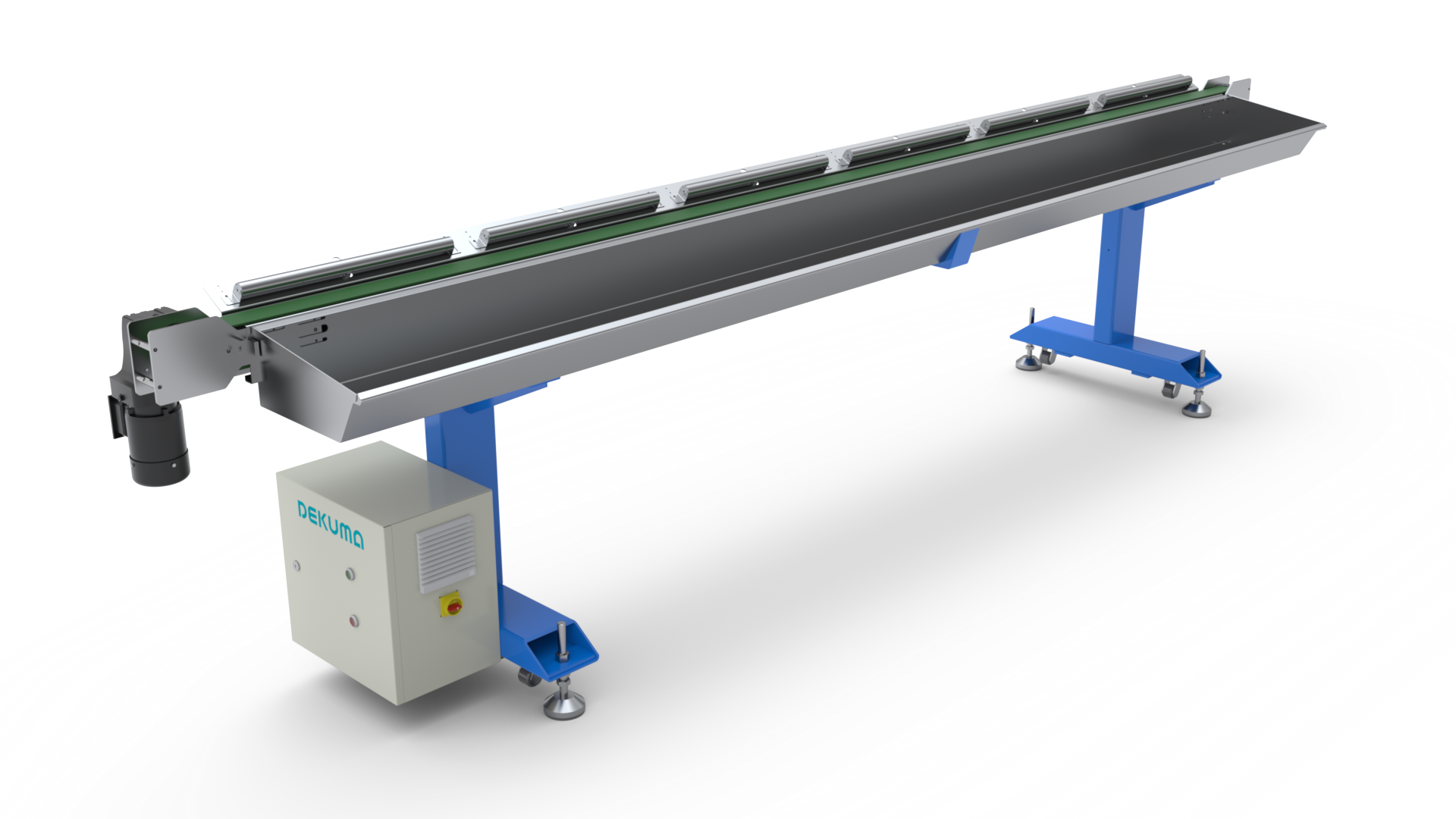
Ground operations involving aircraft refuelling, pneumatic tyre inflation, and high-pressure hydraulic testing require reliable fluid conduits to reduce the risk of catastrophic failure on busy airport tarmacs.
Regulatory bodies mandate strict testing regimes that evaluate material resilience under cyclical fatigue, chemical exposure, and elevated burst pressures. Understanding how these specialized conduits are manufactured, tested, and certified sheds light on the vital engineering standards governing modern airport operations globally. Civil aviation authorities enforce these rules meticulously to protect multi-million-dollar aircraft assets and ground personnel from unexpected fluid line ruptures.
Rigorous Mechanical Standards for Aviation Ground Support
Field operations expose fluid transfer lines to severe external abrasion, heavy vehicular traffic, and corrosive aviation fuels daily without interruption. Specifications outlined by aviation authorities require conduits to maintain structural stability across wide temperature ranges without cracking, kinking, or permanent deformation.
Standard industrial tubing falls short of these demanding benchmarks, necessitating advanced polymer formulations processed through specialized extrusion technology. Manufacturers must adhere to stringent Department of Transportation guidelines and international aviation standards before products reach commercial airfields. Equipment reliability in these settings directly impacts turnaround times for commercial flights and military aircraft deployments.
Multilayer Extrusion Architecture and Burst Pressure Thresholds
Engineering robust fluid transfer lines involves combining multiple polymer layers to achieve optimal barrier properties and mechanical strength under extreme load conditions. A modern extrusion line processes polyamides and related engineering plastics into seamless multi-wall configurations designed to handle internal pressures safely during heavy use.
Producing a multi-layer composite tube requires precise temperature synchronization across several extrusion barrels to bond disparate polymer layers securely together. Interlayer adhesion prevents delamination when the conduit experiences violent pressure surges during intensive aircraft refuelling cycles. Advanced co-extrusion technology allows engineers to integrate specialized anti-static liners that dissipate electrostatic charges safely during high-speed fuel transfer operations.
Laboratory Burst and Impulse Testing Protocols
Certifying fluid lines for tarmac deployment involves subjecting sample batches to destructive laboratory evaluations under controlled hydraulic conditions and fluctuating temperatures. Technicians apply cyclic pressure impulses that simulate thousands of operational cycles, measuring volumetric expansion and fatigue resistance over prolonged operational periods.
Burst pressure testing determines the exact breaking point of a high pressure nylon hose, maintaining a safety factor well above normal operating parameters. Any batch failing to meet minimum retention thresholds during impulse testing is immediately rejected to protect ground personnel and aircraft assets. Documenting these burst thresholds satisfies mandatory compliance audits required for international aviation equipment deployment.
Dimensional Precision and Wall Thickness Verification
Conduit performance relies heavily on uniform wall thickness and precise internal diameters to maintain consistent flow rates under high operational pressure loads. Advanced laser measuring systems monitor extrusion output continuously, detecting microscopic dimensional variances before cooling and calibration phases conclude successfully.
Maintaining tight tolerances prevents weak spots that could rupture when subjected to sudden hydraulic spikes or severe bending radiuses on the active tarmac. Quality assurance teams record every metric meticulously, building a comprehensive documentation trail required for official aviation authority compliance audits. Precision calibration tanks support consistent dimensions so that every meter of extruded tubing meets strict concentricity requirements under continuous production schedules.
Regulatory Compliance Beyond Standard Industrial Norms
Meeting Department of Transportation and civil aviation requirements demands exhaustive documentation covering raw material provenance, lot testing, and complete batch traceability. Regulatory auditors inspect manufacturing facilities routinely to verify that quality control protocols align with international aviation safety management systems.
Equipment manufacturers like Dekuma supply precision machinery that equips producers to meet these demanding compliance benchmarks consistently across high-volume production runs. Traceability records allow quality managers to track specific material lots from initial pellet feeding down to the finished conduit spool. Compliance verification protects manufacturers from legal liabilities and helps end-users receive equipment engineered for strict failure prevention in critical sectors.
Quality Traceability in Advanced Manufacturing Lines
Reliable production begins with stable raw material feeding and advanced temperature regulation across every functional zone of the extrusion machinery setup. Engineers at Dekuma design multi-layer extrusion systems equipped with automated feedback loops that stabilize melt flow and minimize internal stress profiles.
Utilizing a specialized high pressure nylon hose in hydraulic testing rigs requires this level of precise manufacturing control to prevent premature field failure. Plant operators rely on integrated software dashboards to monitor operational parameters in real time throughout multi-shift production schedules. Automated data logging captures critical temperature and pressure metrics for every manufactured batch, streamlining quality assurance reporting.
Sustaining Safety Through Modern Production Technology
Delivering certified fluid conduits for aviation infrastructure requires continuous investment in advanced extrusion machinery and rigorous internal quality verification processes. Production plants utilizing technology from Dekuma achieve the high degree of process repeatability necessary for strict regulatory approval and customer trust.
Crafting a durable composite tube ensures that fluid transfer systems maintain absolute reliability during critical aircraft servicing operations worldwide. Ultimately, rigorous testing and precision manufacturing safeguard global air travel by reducing unpredictable mechanical failures on the ground. Forward-thinking equipment buyers prioritize these integrated manufacturing solutions to maintain leadership in specialized aviation supply markets.
