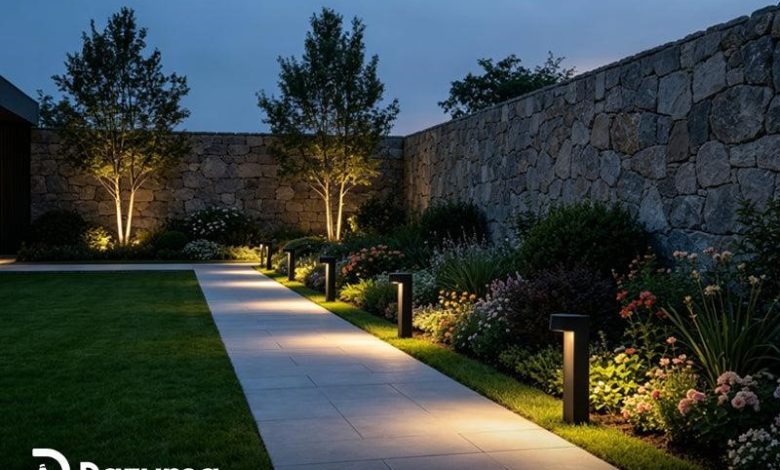
A well-designed outdoor space should not become unusable the moment the sun goes down. Whether you have a large backyard, a compact patio, a front garden, or simply a walkway leading to the house, a few thoughtful changes can make the area feel more comfortable and complete after dark.
The key is not to add as much light as possible. Instead, think about how people move through the space, which features deserve attention, and where a little extra visibility would make the biggest difference.
Here are several practical ways to improve an outdoor area without turning it into an overly bright or complicated project.
Thoughtful lighting can help outdoor spaces remain comfortable, attractive and useful after sunset.
1. Start With the Routes People Actually Walk
One of the easiest ways to decide where outdoor improvements are needed is to walk through the property at night.
Begin at the driveway or sidewalk and follow the same route a guest would take toward the front door. Then walk to the backyard, patio, garage, side gate, or any other area that family members regularly use.
Pay attention to places where you hesitate because a step, curve, or change in surface is difficult to see. These areas should usually receive attention before purely decorative parts of the yard.
Path lighting can be useful, but it does not need to be installed every few feet. Lights placed near steps, turns, transitions, and entrances often provide enough guidance while keeping the overall appearance relaxed.
2. Create More Than One Layer of Light
Outdoor spaces often feel uncomfortable when a single powerful fixture is expected to illuminate everything.
A bright floodlight may make the yard visible, but it can also produce glare and flatten the appearance of the landscape. A better approach is to use several smaller sources of light for different purposes.
For example, wall lights may handle general illumination near the house, path lights can guide movement, and accent lights can draw attention to plants or architectural details.
Using multiple layers also allows parts of the property to remain naturally darker. That contrast is important because it gives the yard depth and helps the illuminated areas stand out.
3. Choose One or Two Landscape Features to Highlight
You probably do not need to illuminate every tree, shrub, wall, and flower bed.
Instead, look for the features that already give the yard character during the daytime. A mature tree, textured stone wall, attractive planting bed, fountain, or distinctive architectural detail can become a natural nighttime focal point.
Well-positioned landscape lighting can help reveal those features without lighting the entire property equally. Uplighting can emphasize the height and structure of a tree, while lower-level illumination can bring attention to plants and garden textures.
Try viewing the result from several locations, including inside the house. The most attractive angle from the patio may not be the same as the view through a living room window.
4. Give the Patio a More Comfortable Atmosphere
A patio is essentially an outdoor room, so it helps to think about its lighting in the same way you would approach a living room or dining area.
Most people would not illuminate an indoor living room with one extremely bright ceiling light and nothing else. Outdoor seating areas benefit from the same idea of using softer lighting at different heights.
Wall-mounted fixtures can provide basic illumination, while low-level lights near seating or planting areas can make the space feel more relaxed.
If you use the patio for meals, make sure the table has enough light for people to see comfortably. If the area is mainly used for conversation, softer lighting may be more appropriate.
The intended activity should help determine how much illumination is actually necessary.
5. Make Entrances Easy to Identify
The front door should remain visually clear after sunset.
This does not mean it needs to be dramatically brighter than everything else, but visitors should be able to immediately understand where to go.
Lighting beside or above the door can establish the entrance, while subtle illumination along the walkway creates a natural route toward it.
Side and back entrances deserve attention too, particularly if they are frequently used by family members. A doorway that is technically illuminated but surrounded by a completely dark walkway may still feel inconvenient.
Think of the entire journey rather than treating each fixture as an isolated feature.
6. Keep the Fixture Styles Connected
Outdoor lights do not have to come from exactly the same product family, but some visual consistency helps the property feel intentional.
You might repeat a finish such as black, bronze, or another neutral metal tone. You could also choose fixtures that share similar shapes or proportions even if their functions are different.
For example, a wall light near the front door can coordinate with pathway or post fixtures without being an exact match.
Homeowners comparing different types of indoor and outdoor fixtures can browse lighting specialists such as Dazuma Lighting to get a clearer idea of how different shapes, finishes, and fixture sizes can work together.
The important thing is to avoid choosing each light independently. Looking at the whole property usually produces a more balanced result.
7. Pay Attention to What the Light Is Hitting
A fixture is only part of the lighting effect. The surface receiving the light matters just as much.
Light directed toward textured stone can create shadows and depth. Light falling across plants may reveal interesting shapes. The same fixture pointed toward an empty wall may produce a much less interesting result.
Before permanently installing an accent light, test different positions and angles if possible.
Moving a fixture a short distance can completely change the way a tree, wall, or garden feature appears at night.
Also check whether the fixture itself is visible from normal viewing areas. In many cases, the effect is more attractive when people notice the illuminated feature before they notice the source of the light.
8. Avoid Sending Light Where It Is Not Needed
Outdoor lighting should stay focused on the property and the areas being used.
Fixtures aimed too high or too far outward can create glare and send unnecessary light toward neighboring properties. Positioning lights more carefully can often improve visibility while using less overall brightness.
After making adjustments, look at the property from the sidewalk, driveway, neighboring side of the yard, and from inside your own windows.
If you can see a bright bulb or LED source directly from a normal viewing position, adjusting the angle or using a more shielded fixture may improve the result.
9. Let Some Areas Stay Dark
One of the easiest mistakes to make is assuming every part of the yard needs illumination.
Darkness is part of good outdoor lighting design.
When selected areas remain darker, illuminated pathways, plants, entrances, and architectural details become easier to appreciate. The contrast creates visual depth and prevents the yard from feeling flat.
This is also why adding more fixtures does not always improve a project. Sometimes removing or dimming one light creates a better result than installing another.
10. Improve the Yard in Stages
You do not have to redesign the entire outdoor area at once.
Start with the most important zone, such as the entrance or route from the driveway to the house. Once that area works well, move to the patio, garden, or backyard.
Working in stages also gives you an opportunity to see how the lighting actually feels during everyday use. What seems ideal during planning may need adjustment after you spend a few evenings in the space.
Final Thoughts
A more enjoyable outdoor space does not require dozens of fixtures or a dramatic renovation.
Start with practical needs such as walkways, steps, entrances, and gathering areas. Then use selective accent lighting to bring attention to the landscape features that give the property its character.
When brightness, placement, fixture style, and contrast are considered together, even a relatively simple outdoor lighting plan can make a yard feel more polished and useful after sunset.